California's High Desert — encompassing Hesperia, Victorville, Apple Valley, Adelanto, Phelan, Oak Hills, and Barstow — offers one of the most dramatic cost-of-living advantages in Southern California. Buyers relocating from Los Angeles, Orange County, or the coastal Inland Empire can often achieve dramatically better housing value while maintaining access to the broader Southern California economy.
Housing Costs: The Primary Advantage
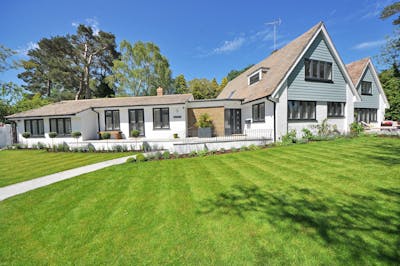
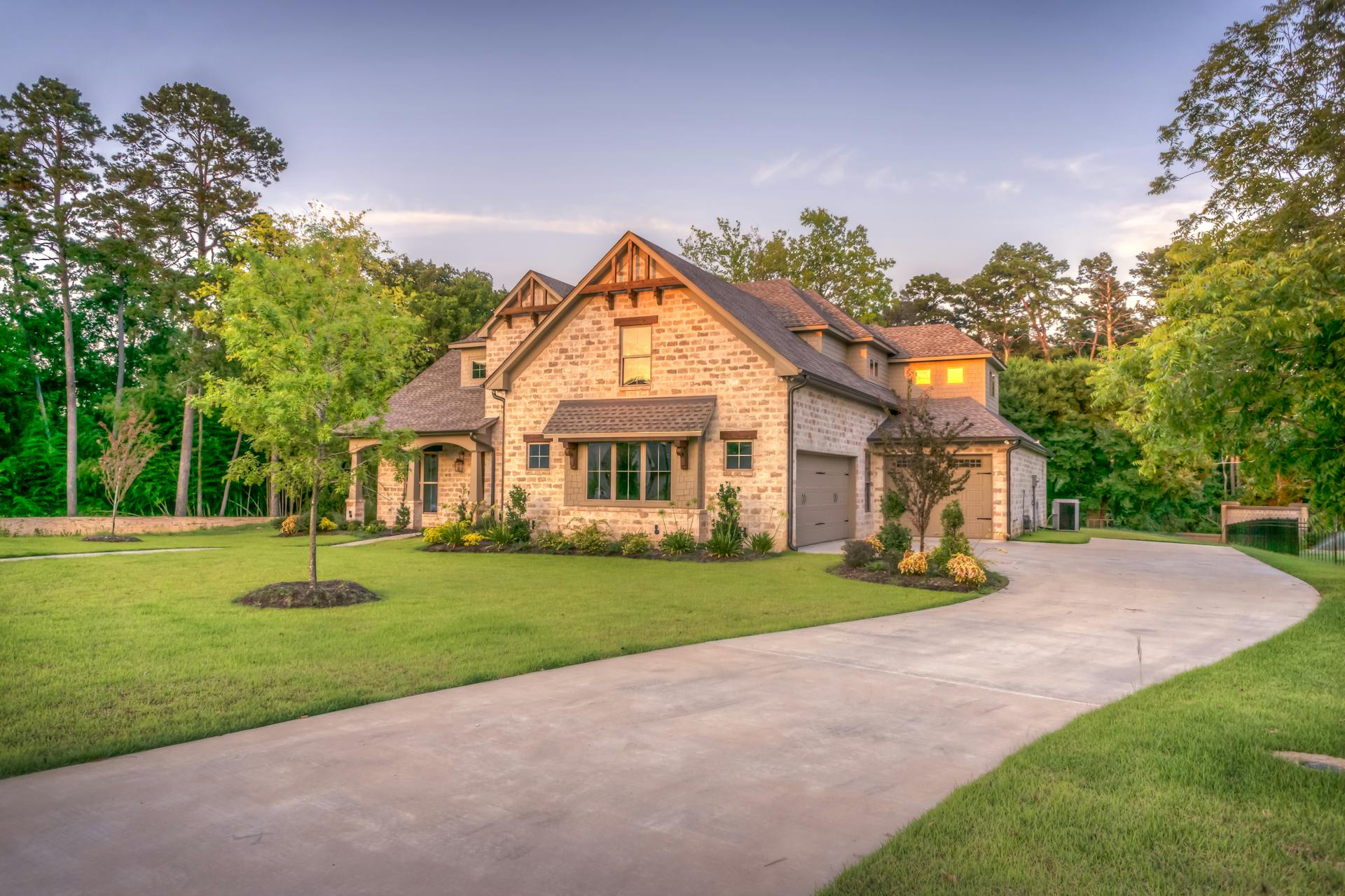
Housing is where the High Desert delivers the most compelling value. Median home prices in Hesperia and Victorville range from $380,000 to $440,000. Apple Valley and Oak Hills skew slightly higher at $390,000 to $480,000 depending on area and property type. Compare these to the San Fernando Valley ($750,000+) or even the Inland Empire's Rancho Cucamonga ($700,000+) and the savings are substantial. A buyer with a $500,000 budget in the High Desert can purchase a spacious 4-bedroom home with a yard; in coastal LA, the same budget may not cover a 2-bedroom condo.
Property Taxes
San Bernardino County property taxes typically fall between 1.1% and 1.3% of assessed value annually, plus any local Mello-Roos or special assessment bonds tied to newer developments. On a $420,000 home, expect approximately $4,600–$5,500 in annual property taxes. Newer subdivisions with Mello-Roos bonds can add $1,000–$2,500 per year. Always ask your REALTOR® to pull the full tax record before making an offer — this is part of due diligence on every transaction I handle.
Utilities: The Desert Premium
The primary utility cost to plan for in the High Desert is electricity during summer. Desert temperatures regularly exceed 100°F from June through September, and cooling a 2,000 square foot home can push summer SCE bills to $250–$400 per month. Winter utility costs are mild. Natural gas is modest year-round. Water costs vary by district — most High Desert communities are served by Cal Water or local water agencies. Budget approximately $80–$150/month for water depending on landscaping choices.
Transportation and Commute Costs
If you commute to the Inland Empire, budget for 30–50 miles of additional daily driving compared to living in Rancho Cucamonga or San Bernardino. Fuel and vehicle wear are real costs to quantify. At 40 extra miles per day at $0.30/mile (IRS standard rate), a daily Inland Empire commute adds approximately $3,000–$4,000 per year in operating costs. Many buyers find the housing savings still outpace these transportation costs by a wide margin, especially for hybrid or remote workers.
Groceries, Dining, and Services
Grocery prices in the High Desert are comparable to the broader Los Angeles area — Stater Bros., Vons, Food 4 Less, and Walmart Supercenter are well represented in Victorville and Hesperia. Dining prices skew slightly lower than coastal communities. Healthcare services are anchored by Victor Valley Global Medical Center and Desert Valley Hospital. For specialized medical care, residents typically travel to Rancho Cucamonga or San Bernardino. Professional services (accountants, attorneys, specialists) are available locally.
The Net Result: What the High Desert Saves You
A family buying a $420,000 home in Hesperia versus a comparable $700,000 property in Rancho Cucamonga saves approximately $1,500–$1,800 per month in mortgage payments alone (at current rates). Even after accounting for higher summer utility bills and commute costs, the net monthly savings typically ranges from $800 to $1,400 per month. Over five years, that represents $50,000–$85,000 in savings — real money that can fund education, retirement, or additional investments. For buyers willing to make the commute tradeoff, the High Desert math is compelling.